What would it be like to stop looking outside yourself for the “right” way and begin creating your life from the inside out? Yoga teaches us to listen, trust the nudge, and welcome a little messiness along the way.
Read More
From the Mat: Strong Posture, Soft Heart
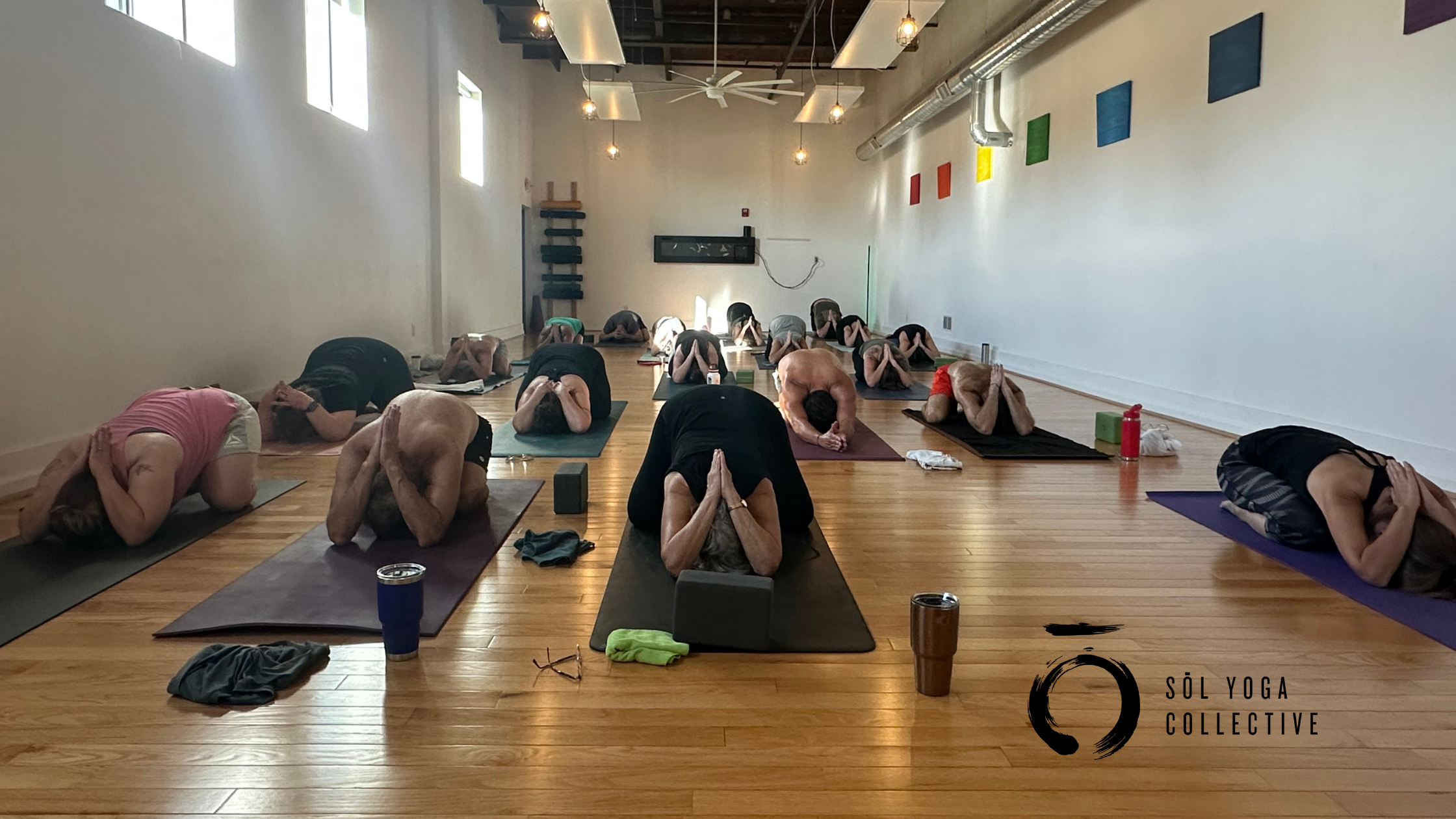
The class opens quietly. Child's Pose. A block, a blanket, and something that feels a lot like permission — permission to be exactly where you are, right now, exactly as you arrived.
"Come here to meet yourself, perhaps in a new way for the first time today." I say some version of this every week. I mean it every time.
We practice yoga for a lot of reasons. Flexibility. Stress relief. A Tuesday night commitment that pulls us off the couch and into something better. But underneath all of those reasons lives something older and quieter: the desire to be in honest conversation with ourselves. To stop for an hour and actually listen.
Strong Posture, Soft Heart
Somewhere in the middle of class, standing at the front of our mats in Tadasana, I offered an intention. I asked everyone to feel two things at once: grounded feet, tall spine — and then, in the chest, a deliberate softening.
"Hold your strong posture, soft heart. Grounded feet."
It sounds simple. It isn't easy. Most of us have learned to choose between the two — either braced against the world or collapsed into it. Holding ourselves rigid so nothing gets through, or opened so wide we've lost our center entirely.
The practice lives in that space between: a body that is both rooted and open. Strong enough to stand. Soft enough to feel. This, I think, is one of the things yoga is quietly teaching us every single class.
Expression From the Inside Out
During Warrior II, I asked everyone to close their eyes. If they were comfortable doing that. If seeing someone else might be shaping what they allowed themselves to do.
"What would it be like to generate expression from the inside out — instead of letting someone else determine what we look like, sound like, move like, think like?"
This is some of the real work of yoga. Not mastering the shapes. Not looking like the person on the next mat. But learning to feel first — from the inside — and then letting that feeling move outward into form.
So much of daily life runs in the opposite direction. We take our cues from outside: what's expected, what's appropriate, how we're supposed to show up in any given room. Yoga, practiced with intention, asks us to reverse that current. Even briefly. Even in small ways. Even for just one Warrior II on a Tuesday night.
Just Go For It
We were moving into Wild Thing — a big, open backbending twist — when I noticed hesitation in the room. It happens in this posture. It's the moment when people think too hard. When the body is ready and the mind is still writing its pros and cons list.
So I said what I always say:
"Sometimes we have to just go for it. See what happens, and refine as needed. Sitting and thinking for too long just kind of keeps us in that sitting and thinking forever place."
This isn't reckless. It isn't "ignore your body." It's permission to trust what you already know. To stop waiting for perfect conditions before you try the thing you've been circling. The mat is a safe place to practice that. To wobble. To land somewhere unexpected. To try, and refine, and try again.
Wobbles are welcome here, by the way.
Look at What Your Body Can Do
Toward the end of the standing sequence, I found myself watching the room. People were doing things they might not realize are remarkable. A shape held with steadiness. A balance found and re-found. Strength showing up quietly in someone who didn't know it was there.
That's when I said it: "The beautiful, miraculous workings of your body. Look at what your body can do."
Not as praise. Not as performance. Just as an invitation to witness yourself. To notice — without commentary, without judgment — what is already happening inside you. All that quiet intelligence. All that capacity, built through showing up, week after week after week.
That's the payoff. That's what regular practice gives you: access to yourself. The burn you feel in the ankle during Stork Pose? That's not failure. That's weakness leaving your body. And strength, slowly, taking its place.
Embracing the Heart
We moved through a wide-legged standing sequence and came into a posture from Qigong — arms wide and rounded in front of you, as if you were holding a great, invisible tree. It's called Embracing the Heart.
I love this one. Even though your legs are working hard, even though there's real effort in holding the shape, I asked everyone to bring something to their upper body: "Flowy, cool water. Let the lower body be strong and supportive. Let the upper body soften."
We breathed. We let prana — life energy — move in and out through the heart space. Giving. Receiving. Assuring its own free flow.
Let nothing get in the way of that.
Together, We Go Farther
We ended in Shavasana. Palms open to the sky. Surrender everything. Receive your practice. That's what those long, quiet minutes are — not rest, exactly, but reception. Letting the body integrate what it just did, and what it just remembered about itself.
When we came back up to seated, I asked everyone to acknowledge themselves for something. Anything. For showing up. For staying in the room when it got hard. For taking the modification that was actually right for them instead of the one that looked more impressive.
And then I asked them to send that same acknowledgment outward. To the people on the mats beside them.
"These people that show up in support of you, in the very same way that you show up in support of them. Together, we go farther. Faster."
Community is one of the most healing things I know. Not just in the big, abstract sense — but in the small, Tuesday-night sense. In the sense of: you were here, and so was I, and something happened between us that couldn't have happened alone.
We shared a breath in. A full release. And then we went home a little lighter than we came.
That's Sōl. That's what this place is for.
With so much love,
Karen · Sōl Yoga Collective

Come Home to This Moment: The Practice of Letting Go
One of my favorite moments in class happens before we move at all.
Everyone settles onto their mat, and for just a moment, there is an invitation to pause. To soften. To arrive.
I often ask students to imagine leaving whatever happened before they walked through the studio doors outside the room. Maybe it's the stressful meeting. The argument. The endless to-do list. The worry about tomorrow. The disappointment from yesterday.
Not because those things aren't real.
But because they don't have to come with you into every moment of your life.
How often do we continue carrying stories that no longer need to be carried? We replay conversations, anticipate outcomes, or rehearse things we wish we'd said differently. Before long, we aren't actually living this moment—we're living inside the one that already happened or the one that hasn't happened yet.
Our yoga practice gently reminds us that there is another option.
There is this breath.
This body.
This heartbeat.
This single moment.
And maybe, just for today, that's enough.
One of the simplest practices we can offer ourselves is to notice the breath … not to change it, not to perfect it, simply to witness it. To follow it from the very beginning of the inhale until the last whisper of the exhale. There is something profoundly grounding about paying attention to something that has been faithfully supporting us every second of our lives.
From that place, gratitude becomes a little easier.
Not gratitude for having the perfect life.
Not gratitude because everything is easy.
But gratitude for this breath. This body. This opportunity to begin again.
Every time you step onto your mat, you have an opportunity to meet yourself exactly as you are in this now moment. Not who you were yesterday or who you hope to become tomorrow.
Just you.
Now.
And perhaps that's the real practice.
Not mastering poses.
Not becoming more flexible.
Not checking another workout off the list.
Simply remembering that beneath all the stories, there is a version of you who has been here all along - steady, breathing, and beautifully enough.
There will always be a spot in the practice for that version of you.

Getting Back on the Mat: How to Restart Your Yoga Practice This Spring
Spring has a quiet way of calling us back to ourselves. The light shifts, the body begins to wake up again, and somewhere inside a familiar thought returns: maybe it’s time to come back to yoga.
If it’s been a while since your last class, you are not alone — and you don’t have to come back perfectly. At Sōl, we believe returning to practice isn’t about starting over. It’s about beginning again, with curiosity and care 🌱
You’re Not Starting From Scratch
Even if your body feels different right now, your practice is still there. Your breath remembers. Your awareness remembers. The pathways you built before are still part of you.
Instead of asking, Can I do what I used to do?
Try asking, What feels supportive today?
That’s where practice begins again.
Start Smaller Than You Think
Coming back gently is one of the most powerful things you can do. One class a week is enough. Slower movement is enough. Simply showing up is enough.
Consistency grows naturally when the experience feels welcoming instead of demanding.
Let Your Practice Look Different
Bodies change. Seasons change. Life changes. Your yoga practice is meant to change with you.
Returning through slower classes, foundational movement, or restorative work isn’t a step backward — it’s a way of listening more closely.
Remember: You Don’t Have to Do This Alone
One of the most healing parts of practice is being in a room where everyone is simply showing up as they are. Again and again, we see how powerful it is to move while surrounded by community.
This spring, let your return be simple.
Come breathe. Come move. Come be supported.
Your mat is still here waiting for you 🌞
Ready to begin again?
Come explore classes designed to meet you exactly where you are.

Cleansing & Renewal: Refreshing Mind, Body, and Routine
By March, many of us are ready for a reset. The weight of winter can still be hanging on - low energy, slower routines, maybe a sense of feeling out of rhythm. It’s not always obvious, but it’s there. This time of year tends to bring a quiet awareness that something needs to shift, even if we’re not exactly sure what that looks like yet.
At Sol Yoga Collective, we think of this season less as a detox and more as a return. The idea of cleansing doesn’t have to mean restriction or intensity. It can be as simple as creating space - physically, mentally, and emotionally - for something lighter to come in. That’s where yoga fits naturally. For those looking to yoga for mental health in Rapid City, this time of year often marks a shift toward gentler, more intentional practices that support clarity and balance.
Movement plays a big role, but it doesn’t have to be fast or demanding. Slow, mindful flows help circulate energy that’s felt stuck during the colder months. Twists and stretches create a sense of release in the body, while steady breathing encourages the nervous system to settle. This is where many people begin to notice the benefits of stress relief yoga … not because they pushed harder, but because they allowed themselves to soften.
Breathwork adds another layer to this sense of renewal. Even a few minutes of intentional breathing can feel like clearing out mental clutter. It’s simple, but powerful. Inhale fully, exhale slowly, and notice what shifts. Over time, this practice supports emotional steadiness and helps create space between reaction and response.
And then there’s routine. Winter habits can stick around longer than we want them to, especially when days feel repetitive. This is a good moment to gently refresh how you move through your day. It might mean stepping back into a consistent class schedule, taking a short walk before work, or simply setting aside a few minutes to stretch. Nothing extreme. Just small adjustments that bring you back into alignment.
Across the Black Hills and beyond, more people are turning toward emotional wellness yoga as a way to support both body and mind. What they’re finding is that renewal doesn’t come from forcing change. It comes from creating space for it.
If this season feels like a turning point, trust that. Your practice doesn’t need to be perfect or intense. It just needs to be consistent enough to help you feel like yourself again.

Seasonal Transition & Reawakening Energy
By the time March arrives, winter can start to feel a little long. The snow isn’t as magical as it was in December, and many of us are ready for the shift that spring promises. The days stretch out just a bit more, sunlight lingers in the late afternoon, and something subtle begins to change. You might feel it as a small lift in mood or a quiet urge to move more. After months of slower rhythms, the body begins to wake up again.
Have you noticed that feeling yet? That moment when you step outside and the air feels different somehow? Not quite warm, but not as sharp as it was a few weeks ago. March lives in that in-between space, and yoga fits naturally into that transition. It gives us a way to meet the changing season gently rather than trying to force a sudden burst of motivation.
After winter, the body often carries a bit of stiffness. Shoulders tighten from hunching against the cold, hips feel heavy from long evenings indoors, and energy levels can dip. A steady yoga practice helps shake off some of that lingering stagnation. Nothing dramatic is required. A few more stretches, a longer breath, a slow flow that encourages circulation—these small movements can feel surprisingly powerful.
Movement invites energy back into the body. As breath deepens and muscles warm, people often notice their mood shifting too. What felt sluggish a few weeks ago starts to feel lighter. Even the mind begins to follow along, letting go of that late-winter fog and welcoming a little more clarity.
March also brings a mental shift. Winter is naturally reflective; it encourages rest and quiet. Spring, on the other hand, nudges us forward. Practicing yoga during this moment between seasons allows those two energies to meet. You can keep the calm and steadiness that winter offered while slowly inviting curiosity and fresh momentum.
There’s also something special about practicing through seasonal change with others. When a room of people moves and breathes together, the collective energy has a way of lifting everyone slightly higher. You notice you’re not the only one stretching out winter stiffness or rediscovering motivation.
Spring doesn’t arrive all at once, and neither does renewed energy. But little by little, things shift. Through movement, breath, and awareness, your practice becomes part of that change - clearing space, waking the body, and welcoming the brighter days ahead.

Yoga & Emotional Health: Finding Steady Ground in Late Winter
By late February, many of us are feeling it. Winter isn’t new anymore. The sparkle has faded, the days still feel short, and spring seems close - but not quite here. Around this time in the Black Hills, we often hear the same quiet refrain: “I’m just feeling a little off.” A little tired. A little restless. A little heavy. If that sounds familiar, you’re not alone.
This stretch of winter is when people naturally start seeking support for their mental and emotional well-being. They are tired of feeling sluggish and they want to feel more energized, enthusiastic. More and more Rapid City neighbors are discovering that yoga can be a meaningful tool for mental health - not as a replacement for anything else, but as steady support. The beauty of yoga is that it doesn’t demand dramatic change. It simply offers grounding. When you move slowly and breathe with intention, your nervous system responds. Shoulders soften. The jaw unclenches. The mind gains just enough space to settle.
Practices centered on stress relief tend to resonate strongly this time of year. Gentle heat, longer exhales, and grounding postures help guide the body out of tension and into calm. You don’t have to push or perform. In fact, late winter often asks for less effort, not more. Showing up consistently - even once a week - can begin to shift your internal rhythm in surprisingly steady ways.
We also notice that seasonal anxiety tends to surface right about now. If you’ve ever searched for help with anxiety or seasonal stress, you’re not alone. What makes a difference isn’t intensity; it’s returning. Each time you step onto your mat, your body remembers the pattern of breath and movement. That familiarity builds resilience. Over time, reactions feel less sharp, sleep improves, and emotions feel more manageable.
There’s also something powerful about practicing yoga together. Emotional wellness grows in community. Moving and breathing in the same room with others navigating the same season creates quiet reassurance. You realize you’re not the only one feeling the weight of winter.
Late February is a threshold. Not quite winter, not yet spring. Yoga helps us stand in that in-between space with steadiness and care. If this season feels heavy, let your practice be simple and supportive. We’re here, breathing beside you, ready to move gently toward the light together.

Self-Compassion & Heart-Centered Practice
February tends to bring a lot of talk about love and connection, but for many of us, this time of year feels quieter than that. The days are still short, energy can feel low, and it’s easy to notice where we’re tired or stretched thin. For a lot of us at Sol Yoga Collective, this season becomes less about grand ideas of love and more about something simpler … learning how to be a little kinder to ourselves while we move through it.
Most of us come to the mat carrying expectations, even if we don’t realize it at first. We think we should feel calmer, stronger, more focused. And when that doesn’t happen, frustration shows up quickly. Over time, though, practice has a way of softening that mindset. Some days the body feels open, other days it feels stiff or distracted, and eventually you start to see that both are normal. Showing up imperfectly becomes part of the experience instead of something to fix.
One of the things many practitioners notice is how breath and slower movement change the emotional tone of a day. When things slow down, reactions soften too. There’s a little more space to pause before responding, whether that’s in a conversation, at work, or even in how we talk to ourselves. That shift doesn’t usually happen all at once. It builds gradually, almost without noticing, until patience feels more available than it used to.
Winter seems to ask for this kind of gentleness. Motivation comes and goes, and that’s okay. Sometimes the practice is active, sometimes it’s quiet, and sometimes it’s simply making the decision to come to class and be around other people doing the same thing. There’s something reassuring about that shared experience, especially when everyone is just doing their best that day.
Around here, heart-centered practice isn’t really about achieving anything. It’s more about remembering that everyone walks in carrying something different, and that compassion - toward ourselves and others - makes the space feel easier to breathe in. Maybe that’s what this season offers most: a chance to loosen expectations and meet ourselves where we actually are. From there, connection tends to happen naturally, one breath at a time.

Rebuilding Routine & Consistency
As winter settles in, routines often feel harder to maintain. The excitement of the New Year fades, daylight feels scarce, and motivation can ebb and flow. At Sol Yoga Collective, we see this season not as a setback, but as an opportunity to rebuild rhythm with care. Yoga reminds us that consistency isn’t about perfection - it’s about returning, again and again, exactly as we are.
For many students, winter marks a fresh start. Some are returning to the mat after time away, while others are stepping into yoga for the first time. Both experiences carry uncertainty. It’s easy to believe we need to feel ready, flexible, or disciplined before we show up. In reality, yoga works best when we meet ourselves honestly, even on days when energy feels low or bodies feel stiff.
Consistency doesn’t mean coming to class every day or pushing yourself through exhaustion. It means choosing presence over pressure. It might look like attending one class a week and letting that be enough. It might mean stepping into the studio knowing you’ll rest more than move. Every time you show up, you’re reinforcing a relationship with yourself built on trust rather than expectation.
Winter asks for grace. Our bodies move differently in colder months. Muscles warm more slowly, joints ask for patience, and rest becomes just as important as effort. Yoga supports this seasonal rhythm by offering space to listen instead of forcing progress. When you practice with compassion, consistency becomes sustainable rather than draining.
At Sol, we welcome students in every phase of their journey. Sweatpants, imperfect days, grumpy moods all welcome. There’s no requirement to keep up or perform. The practice isn’t about how a pose looks; it’s about how it feels to be present in your body and breath. Showing up imperfectly is not a failure; it’s the practice itself. It’s real.
Routine is rebuilt one choice at a time. Each class you attend strengthens a habit of care. Each moment on the mat reinforces the message that you don’t need to have it all together to belong. Over time, this gentle consistency builds resilience, confidence, and a sense of grounding that carries into daily life.
As winter continues, let your practice be steady, forgiving, and human. You don’t need to rush or reset everything at once. Simply return. The mat will meet you where you are - and that is always enough.

Intentional Renewal (Without Pressure)
After the rush of the holidays, many of us feel a quiet longing to reset. The calendar flips, expectations rise, and suddenly we’re surrounded by messages telling us to do more, fix more, and become better versions of ourselves - immediately. At Sol Yoga Collective, we offer a different approach. Renewal doesn’t have to be rushed, forced, or tied to productivity. It can be intentional, steady, and rooted in care.
Yoga reminds us that change doesn’t happen through pressure. It happens through presence. Rather than setting rigid resolutions, consider setting intentions; gentle guiding themes that support how you want to feel, not just what you want to achieve. An intention might be steadiness, ease, patience, or rest. These qualities don’t demand perfection. They invite awareness.
This time of year is especially well-suited for slowing down. Winter naturally encourages us to turn inward, to reflect, and to conserve energy. Yoga supports this rhythm by offering a space to listen to your body and notice what it truly needs. Sometimes that means movement. Sometimes it means stillness. Both are valid, and both are part of a balanced practice.
Using yoga as a grounding tool rather than a productivity hack is an important shift. Yoga isn’t meant to optimize you or push you harder. It’s meant to help you feel more connected in all ways - to your breath, your body, and the present moment. When you practice with this mindset, the benefits ripple outward naturally. Focus improves. Stress softens. Decisions feel clearer. But these changes arise as a result of care, not control.
At Sōl, we encourage students to approach the mat as a place of return, not performance. There’s no need to “keep up” or measure progress. Simply showing up - however you are that day - is enough. All of you is welcome. Messy hair, don’t care. Sweatpants, stretchy shorts, all welcome. Over time, this consistency builds trust in yourself and creates a foundation for meaningful, lasting renewal.
As you move through the new year, consider letting go of the urge to overhaul everything at once. Allow your practice to unfold gradually. Let each class be a quiet check-in rather than a test. Renewal doesn’t require reinvention. It begins when you give yourself permission to slow down, breathe, and start again - without pressure.
Rituals of Renewal: Preparing for the New Year Through Yoga
As the calendar turns toward a new year, many of us feel pressure to set resolutions - often ambitious, sometimes unrealistic, and frequently rooted in self-criticism. At Sōl Yoga Collective, we offer a gentler, more sustainable alternative. Rather than forcing change, yoga invites renewal through awareness, intention, and care. The New Year doesn’t have to begin with striving; it can begin with listening.
Yoga teaches us that real transformation happens in the body, not just the mind. When we slow down and move with intention, we create space to reflect on what truly matters. A yoga practice during this transitional season becomes a ritual—a way to acknowledge where you’ve been, honor what you’ve learned, and gently orient yourself toward what’s next.
Instead of resolutions, consider embodied intentions. These are not goals to conquer but qualities to cultivate. Through mindful movement, you may notice what your body is asking for: steadiness, ease, strength, rest. Sitting quietly after practice, journaling can help clarify these themes. Writing without judgment allows insight to surface naturally, often revealing intentions that feel honest and attainable rather than imposed.
Meditation also plays an important role in this process. Even a few minutes of stillness can help quiet the mental noise that often accompanies the New Year. As thoughts settle, clarity emerges. You may begin to sense not what you should change, but what you’re ready to nurture. This awareness creates a foundation for meaningful growth that lasts beyond January.
Rituals don’t need to be elaborate to be powerful. Lighting a candle before practice, setting aside a consistent time to move and breathe, or closing each class with a moment of gratitude can all serve as anchors. These simple acts signal to the nervous system that renewal is happening gently, intentionally, and on your own terms.
At Sōl, we believe fresh starts are most powerful when they’re rooted in compassion. As a donation-based studio, our space is designed to support every body and every season of life. Whether you’re stepping onto the mat for the first time or continuing a long relationship with yoga, the New Year is an invitation; not to become someone else, but to return more fully to yourself.
Let this be the year you replace pressure with presence. Renewal doesn’t require reinvention. It begins with a breath, a quiet moment, and the willingness to begin again with care.
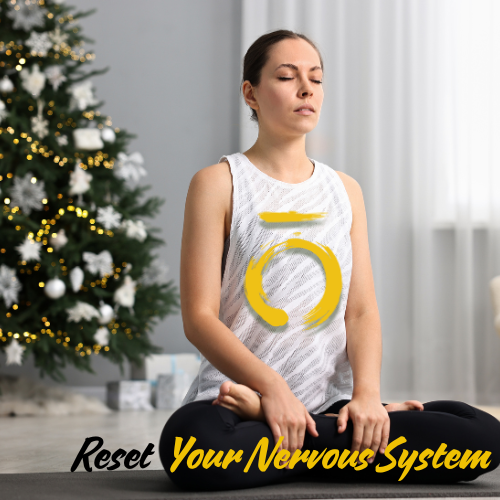
The Holiday Overwhelm Antidote: Yoga for Nervous System Reset
The holidays are meant to be joyful, but they often leave us running on empty. Between travel, gatherings, and endless to-do lists, our nervous systems can shift into overdrive. At Sol Yoga Collective in Rapid City, we believe yoga offers something better than quick relief - it offers a complete reset.
Modern research confirms what yogis have practiced for centuries: the body and mind are inseparable. When we experience stress, our brain sends signals that trigger the “fight, flight, or freeze” response. Heart rate climbs, muscles tighten, and digestion slows. Over time, that constant alertness leads to exhaustion, anxiety, and even burnout. Yoga interrupts this cycle by activating the parasympathetic nervous system; the body’s natural calming switch.
Restorative postures, such as supported child’s pose or legs-up-the-wall, invite the body to soften while sending a clear message to the brain: it’s safe to relax. Breathing practices like alternate-nostril breathing help balance the two sides of the nervous system, bringing both calm and clarity. Even a few minutes of deep, rhythmic breath can lower stress hormones and shift your mood within moments.
Mindful pauses are another simple but powerful tool. Taking just one full, conscious breath before reacting to a stressful situation changes your body chemistry. It gives the thinking part of your brain - the prefrontal cortex - time to step in before emotion takes over. This single habit, practiced regularly, can transform how you navigate the busiest season of the year.
At Sōl, we’ve seen the transformation firsthand. Students often arrive feeling scattered and leave grounded, lighter, and more present. Our warm studio environment supports this process: gentle lighting, calm voices, and the collective energy of others doing the same work all signal safety to your nervous system. This sense of shared peace helps your body unwind even more deeply than when you practice alone.
As the holidays approach, remember that slowing down isn’t selfish - it’s essential. Each time you pause, breathe, and reconnect, you’re teaching your body how to find balance again. Yoga doesn’t just manage stress; it restores your natural state of harmony.
This season, give yourself the gift of calm. Let your mat be the place where you remember how to breathe, reset, and truly rest.

Sacred Space: Why Where You Practice Matters
Yoga can be practiced almost anywhere—a quiet corner of your home, your backyard, or even a hotel room when you travel. But there’s something profoundly different about stepping into a shared yoga space. At Sol Yoga Collective in Rapid City, we’ve seen how practicing together in community creates an energy that supports growth, focus, and deeper presence in ways that solo practice simply can’t.
When you walk into the studio, you enter more than four walls and a mat—you step into a field of shared intention. Each person brings their energy, breath, and story into the room, and together that energy begins to harmonize. It’s subtle but unmistakable: the gentle rhythm of breathing in unison, the quiet hum of stillness, the collective sigh after a challenging pose. This resonance reminds us that we’re not just individuals practicing alone—we’re part of something larger, something deeply felt.
Home practice certainly has its beauty. It teaches discipline and self-reliance and allows us to move freely in our own time. But it’s also easy to get distracted—by dishes, by phones, by the countless demands of daily life. In a dedicated yoga space, the distractions fall away. The mat becomes sacred ground, a signal to your nervous system that it’s time to turn inward. The lighting, warmth, and even the quiet energy of others practicing beside you help create a container where your thoughts can finally settle.
Practicing in community also builds accountability. When you know others are showing up, it gently encourages you to do the same, even on days when motivation feels thin. That consistency deepens your practice, and the familiar faces you see each week often become friends, allies, and steady reminders that you are supported. Over time, this sense of shared effort strengthens not just your poses, but your confidence in your own inner resilience.
At Sol Yoga Collective, our donation-based model is rooted in this belief in shared energy and collective care. We gather not because we must, but because something beautiful happens when we do. A studio becomes more than a room—it becomes a sanctuary where breath, movement, and community naturally intertwine.
In a world that can often feel disconnected, practicing in a sacred space reminds us of our shared humanity. Every breath becomes an offering, every posture a reminder: we rise stronger when we rise together.

Yoga for Creatives: How the Mat Inspires Art, Ideas, and Innovation
Creativity isn’t something we chase—it’s something we create space for. And here, that space begins on the mat. At Sol Yoga Collective in Rapid City, we see yoga as more than a physical practice. It’s a doorway to presence, clarity, and inspiration—the same qualities that fuel artists, writers, makers, and entrepreneurs throughout the Black Hills.
When we move through yoga, we’re not just stretching muscles—we’re stretching the mind. The breath slows our thoughts, softens self-judgment, and makes room for intuition to surface. That pause between inhale and exhale is often where the best ideas are born. Just like a blank canvas, the mat becomes a space where you can listen and notice what wants to emerge.
Yoga also helps quiet the inner critic that so often blocks creativity. Through mindful movement, we practice curiosity instead of comparison. We learn to explore, to make small adjustments, and to stay open to the unexpected. A posture might not look the way we planned, but it still teaches us something valuable—just as every creative process does. Over time, this mindset of experimentation spills over into our art, writing, business, and daily life.
Even science supports what yogis have known for centuries: movement and mindfulness increase blood flow to the brain, boost focus, and strengthen the connection between body and imagination. When we move, breathe, and release stress, the creative parts of the mind light up. Whether you’re a painter stuck on a piece, a writer facing a blank page, or a business owner searching for a new idea, yoga can help you reset and reconnect to inspiration.
At Sol Yoga Collective, we’re here to make that practice accessible to everyone. As a donation-based studio, cost is never a barrier. Whether you join us for a gentle flow to calm your thoughts or a slow, grounding practice to awaken new energy, your time on the mat is an invitation to return to yourself—and to what you love to create.
Creativity thrives when we’re willing to slow down, breathe, and listen. Yoga offers that space. Every movement, every pause, every breath is a brushstroke of awareness. Yoga helps you rediscover the creative flow that’s always been waiting within you. Come move with us, and see what ideas begin to unfold when you give them room to grow.

The Science of Stillness: Why Restorative Yoga Changes the Brain
Most of us know that yoga helps us relax—but few realize how powerful that relaxation really is. The slower styles of yoga, like restorative or Yin, don’t just calm the body; they actually change what’s happening in the brain. At Sol Yoga Collective in Rapid City, we believe that stillness is more than rest—it’s the foundation for healing, focus, and emotional balance.
When we slow down and settle into supported poses, the body switches gears from its constant “go mode” into what’s called the rest-and-digest state. This is part of your parasympathetic nervous system—the body’s built-in recovery system. In this state, heart rate slows, breathing deepens, and muscles begin to release. More importantly, your brain sends signals throughout your body that say, “You’re safe. You can rest now.”
That’s not just a feeling—it’s science. When stress hormones like cortisol drop, the immune system grows stronger, blood pressure stabilizes, and your brain has a chance to repair and reorganize. Researchers have found that practices like restorative yoga can improve neuroplasticity, which simply means your brain’s ability to form new connections. In plain language: rest helps your brain reset, rewire, and respond better to life’s challenges. Over time, your mind becomes more focused, your reactions softer, and your capacity for patience naturally expands.
The magic of restorative yoga is that it’s completely accessible. You don’t have to do anything complicated—just let props like bolsters, blankets, or the floor itself hold you. As you rest, your breath naturally lengthens, and your mind follows. Over time, this practice teaches you how to pause before reacting, how to think more clearly, and how to feel more at home in your own body and mind. It’s gentle work, but it reaches deep places within you that ordinary rest cannot touch.
Students often describe a restorative class as “a full reset.” Colors seem brighter, thoughts feel lighter, and life is just a little more manageable. Those subtle shifts are your nervous system finding balance again, reminding you that rest is not laziness—it’s medicine.
At Sol Yoga Collective, we see this transformation every day. Restorative yoga isn’t about doing—it’s about allowing. When you give yourself permission to slow down, your body listens, your brain heals, and your whole self begins to come back into balance. Stillness, it turns out, is its own kind of strength. We invite you to join us and experience this for yourself.
Yoga as a Path to Softer Self-Talk
Self-talk is the constant stream of thoughts people direct toward themselves. It shapes how individuals act, respond, and grow. Positive self-talk builds confidence and fosters clarity, while harsh inner words create doubt and limit progress. Negative self-talk feeds fear, weakens motivation, and lowers self-esteem. It often fuels cycles of comparison and frustration that disrupt personal growth. Harsh self-talk can raise stress levels and strain emotional balance. Kinder inner dialogue can ease tension, support calm, and uplift mood. With this in mind, exploring yoga as a path to softer self-talk provides practical methods for reshaping thoughts. Nurturing softer words inside supports well-being and a healthier relationship with oneself.
Understanding the Gentle Power of Yoga
Yoga extends far beyond stretches or strength-based postures. It weaves together movement, breath, and mindful awareness to support a complete practice for growth. Each session balances body, mind, and spirit through intention and presence. Physical benefits like flexibility and balance serve as only one part of the experience. The deeper practice nurtures calm thought patterns, steadier emotions, and greater compassion for oneself. The steady focus on breath creates a natural pause that softens inner dialogue. Yoga becomes a path toward noticing thoughts without judgment. Self-awareness grows through repeated practice, making space for kinder responses within. Yoga fosters harmony that continues well beyond the mat.
Yoga as a Path to Softer Self-Talk
Yoga guides attention inward and teaches presence without judgment. This shift makes space for kinder words to arise inside the mind. Breath and movement join together to soften the edges of harsh thought patterns. Awareness deepens through steady practice and promotes compassion from within. In like manner, self-talk becomes less reactive and more nurturing with each session. Then again, old habits of inner criticism may surface, yet yoga offers a pause to redirect them. Choosing gentler words becomes a conscious act. Above all, yoga as a path to softer self-talk helps people honor progress instead of focusing on flaws. This practice creates a steady ground for inner peace and self-respect.
Breathing Practices That Calm Harsh Thoughts
Breathing techniques, known as pranayama, shape the nervous system response. Deep breathing lowers stress and creates inner stillness during tense moments. Slow breaths signal safety to the body and quiet the mind. Shallow or fast breathing often fuels anxious thoughts. Steady breathing practices promote emotional stability and mental clarity. Simple exercises such as box breathing or alternate nostril breathing provide easy tools. Anyone can use breath control during daily stressors. The body responds quickly, making calmness accessible within minutes. Breath restores balance and reduces harsh inner dialogue. Mindful breathing opens the path to gentle thoughts and softer emotions.
The Broader Benefits of Yoga and Mindfulness
Yoga creates benefits that reach beyond the mat and into daily life. It steadies emotions, sharpens focus, and supports restful sleep. Mindfulness paired with movement reduces stress and builds resilience during challenges. Yoga doesn’t exist in isolation—it connects with supportive self-care practices that help people reconnect with themselves and step away from self-criticism. Combining yoga and mindfulness for recovery with journaling, mindful nutrition, or gentle walks fosters a nurturing lifestyle.
On the other hand, ignoring self-care often reinforces cycles of negativity. Pairing yoga with other strategies deepens healing and self-compassion. These practices together create balance for body, mind, and spirit. Yoga strengthens a holistic foundation for lasting well-being.
Meditation as a Mirror for the Mind
Meditation in yoga nurtures awareness by inviting stillness and observation. Sitting quietly with your thoughts reveals patterns that are often hidden in daily activity. Noticing the flow of the mind highlights how harsh words appear. Meditation helps replace judgment with curiosity. Watching thoughts without reaction reduces mental noise and pressure. Resisting the practice may feel uncomfortable at first. However, consistency makes it easier to sit with thoughts and soften them. Meditation strengthens the ability to pause before reacting. This practice builds space between thought and response. Therefore, meditation becomes a mirror that reflects inner dialogue and transforms it into compassion.
Movement That Encourages Self-Acceptance
Gentle movement in yoga creates more than physical strength or balance. It teaches awareness of how the body feels in the present moment. Connecting with movement helps people appreciate effort instead of chasing perfection. Poses such as child’s pose or mountain pose foster grounding and self-acceptance. Pushing too hard can trigger judgment or comparison. Yoga encourages honoring personal limits with compassion, which is why around 15% of Americans have practiced yoga in the last 6 months. The body often reveals emotions stored within muscles or joints. Mindful practice replaces criticism with patience. Consistent movement shapes a healthier relationship with both body and mind. Hence, self-acceptance grows naturally through practice on the mat.
Daily Habits to Extend Softer Self-Talk Off the Mat
Yoga teaches lessons that continue outside structured practice. Simple routines reinforce inner kindness and mindfulness through daily choices. Writing in a gratitude journal shifts attention toward positive thoughts. Mindful walking or stretching during breaks encourages presence and calm. Neglecting these habits often leads back to critical self-talk. Creating small rituals supports steady growth. Setting reminders for breathing or reflection keeps awareness strong. Consistency strengthens the practice and reshapes thought patterns over time. Daily habits extend yoga’s lessons into all parts of life. Softer self-talk becomes a natural outcome of mindful routines and conscious choices.
Embracing the Long-Term Journey of Kindness Within
Yoga unfolds gradually and nurtures steady growth rather than quick achievements. Each practice strengthens awareness of body, breath, and inner dialogue. Consistent effort reveals subtle changes in thought and mood. Moments of harsh self-talk may still surface. Yoga teaches tools for meeting those thoughts with patience and compassion. Setbacks remind practitioners that progress is never linear. Yoga as a path to softer self-talk highlights that kindness toward oneself deepens over time. Continued practice shapes a gentler voice within. In short, yoga supports lifelong resilience and inner peace. Hence, kindness grows stronger, guiding healthier connections with both self and others.

Warming from Within: Yoga’s Role in Seasonal Immunity
As the air turns crisp and the days grow shorter, many of us notice our bodies craving warmth, rest, and nourishment. In colder months, it’s natural for the immune system to need extra care. At Sol Yoga Collective, we know that yoga offers more than physical strength or flexibility—it can also support seasonal wellness by helping us “warm from within.”
One of yoga’s most powerful tools for immunity is the breath. When we breathe deeply and intentionally, we invite more oxygen into the body, energize our cells, and help circulate vital energy. Exhaling fully allows us to release tension and stagnant air, making room for clarity and calm. Breathwork not only helps regulate stress, which has a direct impact on immune health, but also cultivates an internal steadiness that supports overall resilience.
Another concept deeply rooted in yoga and Ayurveda is agni, or digestive fire. When our inner fire burns steadily, the body processes food more efficiently, energy is sustained, and toxins are less likely to build up. Yoga postures that gently compress or twist the belly—like gentle seated twists, boat pose variations, or even mindful core engagement—help stoke this fire. Combined with slow, steady breath, these movements awaken digestion and encourage balance, creating a sense of warmth and stability from the inside out.
Equally important is rest, which is often overlooked when we think about immunity. Stress and fatigue leave the body more vulnerable, while deep rest strengthens its ability to fight off illness. Restorative postures such as supported child’s pose, reclined bound angle, or legs-up-the-wall invite the nervous system to shift into its parasympathetic “rest and repair” state. By practicing stillness and surrender, we give the body the time and space it needs to recover and recharge.
At Sol Yoga Collective, we invite you to explore these practices not as complicated techniques but as simple acts of self-care available to everyone. Because our classes are donation-based, cost is never a barrier. Whether you’re joining us for a restorative class, exploring gentle movement, or simply coming to breathe in community, yoga offers practical ways to tend your body through the colder months.
This season, let your practice be more than movement. Let it be a way of tending your inner fire, nurturing resilience, and supporting your body’s natural wisdom to stay healthy and strong through winter.

The Yoga of Letting Go: Aligning with Autumn’s Release
Here in the Black Hills, autumn has its own quiet beauty. Trees turn gold and crimson before gently letting their leaves fall, reminding us that release is a natural part of life. At Sol Yoga Collective, we often turn to this season as a teacher. Just as the trees shed what they no longer need, yoga invites us to practice aparigraha—the art of letting go.
Letting go doesn’t mean giving up. It means making space. On the mat, that might look like unclenching the jaw, softening the shoulders, or releasing the idea that you have to “nail” every pose. In daily life, it might mean loosening your grip on a habit that drains you, a thought pattern that keeps you stuck, or even the pressure to carry more than is yours to hold. Through mindful movement and breath, yoga helps us notice where we’re holding on too tightly and gives us the courage to let it fall away.
Breath is one of the simplest and most powerful tools for this practice. Every inhale invites us to take in nourishment; every exhale gives us a chance to release. With each forward fold or gentle twist, we can mirror the trees around us—shedding what no longer serves us with patience and grace. Over time, these small acts of release build resilience, reminding us that we don’t have to carry everything into the next season.
Sometimes letting go feels subtle, like a little more ease in the body. Other times, it can feel like a big shift—realizing that the way we push on the mat mirrors the way we push ourselves in life. Yoga becomes a mirror, showing us patterns of clinging or forcing, and offering a kinder alternative: curiosity, presence, and choice.
At Sol, our mission is to create space for everyone to explore practices like this. Because we’re donation-based, cost is never a barrier. Our hope is to connect more people in and around Rapid City with yoga as a tool for grounding, healing, and growth—especially during seasons of change.
This autumn, as you notice the leaves falling outside your window, consider what you’re ready to set down. Through breath, movement, and community, let your practice help you release and prepare for what’s next. When we let go, we make space for renewal.
In letting go, I return to peace.

The Mat as Mirror: Using Yoga for Self-Inquiry and Personal Growth
For many men, yoga begins as a way to improve flexibility, recover from workouts, or relieve stress. But those who stay with the practice often discover something unexpected: the mat reflects more than just the body. It reveals the mind, the emotions, and the patterns that shape daily life. In this way, yoga becomes a mirror—one that invites self-inquiry and personal growth.
When you step onto the mat, you meet yourself honestly. The moments of balance and ease show where you’re aligned, while the moments of frustration or resistance reveal where you struggle. Do you push too hard, ignoring signals from your body? Do you hold back, afraid to fully engage? These same patterns often show up in relationships, work, and daily choices. By paying attention, yoga helps you recognize these habits and begin to shift them.
Even when practiced mainly as exercise, yoga has a way of revealing truths. The poses build strength and mobility, but they also expose where balance, focus, and discipline are lacking—lessons that make men stronger both physically and mentally.
For men who are curious about personal development, yoga offers a grounded and practical path. The physical postures keep you rooted in the body, while the breath and mindfulness practices expand your awareness beyond it. This combination fosters both discipline and openness—qualities essential for emotional maturity and integrity. Growth happens not by avoiding discomfort, but by learning to stay with it, breathe through it, and understand what it teaches you.
Yoga also opens the door to spiritual curiosity. Not in a dogmatic or rigid way, but through simple presence. The stillness after movement, the quiet space of meditation, the deep exhale at the end of class—all of these moments invite you to ask: Who am I when I’m not performing? What do I value when everything else falls away? These questions don’t need quick answers. The practice itself is the exploration.
At Sol Yoga Collective, our classes and men’s group create space for this kind of honest inquiry. You don’t need to arrive with answers, only a willingness to notice. Over time, the mat teaches you that strength and vulnerability are not opposites—they’re partners. That integrity means aligning who you are inside with how you show up outside. And that growth, real growth, begins with presence.

Men’s Group at Sol: What to Expect (and Why It Might Change Your Life)
When you hear the phrase “men’s group,” what comes to mind? For some, it may sound unfamiliar, maybe even a little intimidating. But at Sol Yoga Collective, a men’s group isn’t about pressure or performance. It’s about connection. It’s about stepping into a safe space where men can gather, breathe, and remember that they don’t have to walk through life alone.
Led by Brad, our men’s group is a heartfelt and empowering opportunity for authentic connection, shared wisdom, and mutual support. Through a blend of breathwork, mindful movement, and open conversation, we create an atmosphere where men can deepen their presence, strengthen emotional resilience, and experience the grounding support of brotherhood. It’s not about how flexible you are or whether you’ve practiced yoga before—it’s about showing up as you are.
So what actually happens in a men’s circle? Think of it like a conversation around a campfire, only here the campfire is a mat and a circle of peers. We start with simple practices to welcome you in the moment: breathing techniques to calm the mind, grounding stretches to ease the body. From there, we move into conversation. Each man is invited—but never forced—to share what’s on his heart. Others simply listen. There’s no judgment, no fixing, no need to impress. Just the simple act of being witnessed can be transformative.
The beauty of a group like this is in its simplicity. Men often spend much of their lives carrying stress and responsibility quietly, believing they should handle everything on their own. In the circle, that weight can begin to lift. The group reminds each man that he is not alone, that his challenges are not his alone to bear, and that strength comes not from silence, but from honest connection.
The truth is, men today are lonelier than ever. Friendships are fewer, pressures are higher, and outlets for honest conversation are rare. Our men’s group exists to change that, one meeting at a time.
If you’ve ever longed for deeper connection, or if you’re simply curious, consider this your invitation. Come as you are. Sit in circle. Breathe, move, listen, share. It just might change your life. It will definitely change your perspective, your relationships, and the way you carry yourself into the world.